

Every time you open Instagram, X, TikTok, or WhatsApp Status and start scrolling, you will spot it: a friend on a beach in Zanzibar, a classmate’s wedding photos, a workmate announcing a new job.
You tap “like.” You type “Congratulations!” For most people, that is the end of it. But for some, something else creeps in quietly: the sense that everyone else is moving forward while they are standing still.
Comparison Is Human, But Social Media Makes It Worse
Comparing ourselves to others is human. We grew up measuring ourselves against classmates and neighbours. Social media just stretches that comparison to thousands of curated lives: friends, acquaintances, and strangers we will never meet.
The trouble is that these platforms rarely show ordinary life. They show highlight reels: success, wealth, travel, not the normal, unglamorous life most of us actually live.
Some people post simply to be seen. For others, low self-esteem means they only feel good when a post gets likes, sometimes pushing them toward posting things they normally would not, just for attention.
The Photos Are Real, the Struggle Is Hidden
To look wealthy online, some people hire cars or go into debt for a single trip to Dubai or Zanzibar. Someone earning far less than a million shillings can look, through one well-lit photo, like a millionaire, while quietly struggling in real life.
Social media shows the result, never the process. We see the new car, not the loan behind it. We see the trip, not the debt, or what it cost the person who paid for it.
It is not just about money. A graduation photo does not show the sleepless nights or the school fees someone scraped together. A couple’s flawless photo does not show the argument that ended in tears minutes before the camera came out.
And still, we compare our whole, messy lives to someone else’s single curated moment, then wonder why we feel like we are failing.
When Comparison Turns Dangerous
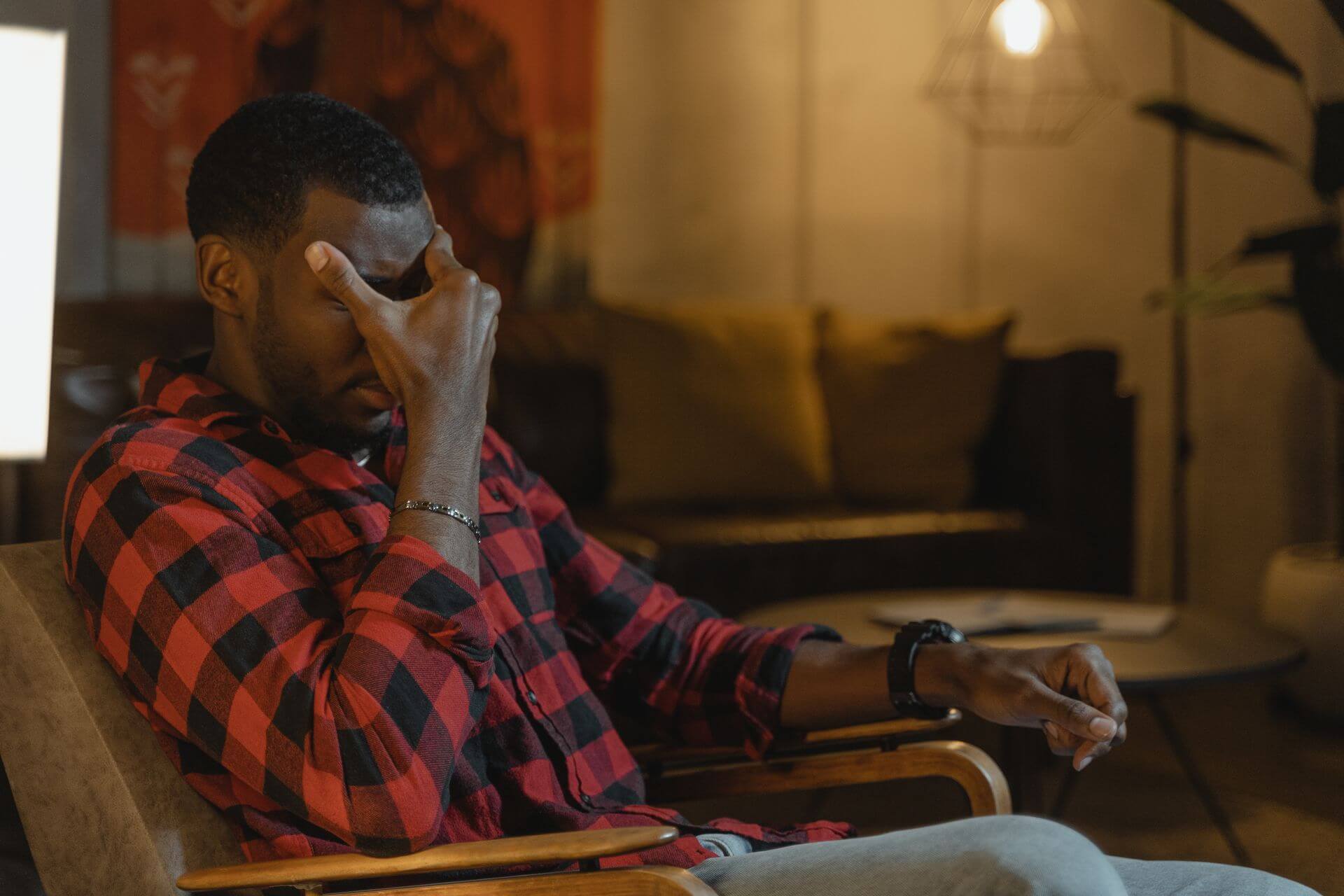
Slowly, the question shifts. It stops being “What am I capable of?” and becomes “Why am I not where they are?” That is the moment comparison turns dangerous, quietly wearing us down instead of pushing us forward. Left unchecked, it can spiral into self-doubt, anxiety, stress, and depression, especially among young people still figuring life out.
The most damaging comparisons are often the ones nobody sees. You do not tell your friends you feel like you are falling behind, or your family that someone else’s success makes you doubt your own. You just scroll and quietly hurt.
Uganda’s Silent Mental Health Crisis
Mental health is now one of Uganda’s biggest public health concerns. The 2025 State of Uganda Population Report found that 24.2% of adults and 22.9% of children live with a mental health condition: depression, anxiety, or post-traumatic stress among them. The Ministry of Health calls it a “silent emergency.”
To be fair, social media has genuinely improved lives too: reconnecting old friends, helping small businesses find customers, opening access to information and even relationships. But quietly, it is also costing many people their peace of mind.
These platforms are also, by design, addictive, built to keep us watching. Five minutes becomes two hours. Late-night scrolling steals the sleep we need.
Building Healthier Digital Habits
Nobody has to quit social media. But we do need healthier digital habits: using the technology without letting it decide how we see ourselves. A post is not someone’s whole life. A like is not a measure of your worth. And asking for help is not, and has never been, a weakness.
Used well, social media is powerful, connecting us to markets, knowledge, and community in ways past generations never had. But it should never become the mirror we use to measure our worth. Behind every polished photo is a person carrying the same fears as the rest of us.
So, is social media really fueling a mental health crisis among Ugandans? That depends on us. The tool itself is neither good nor bad. Instead of asking “Why am I not where they are?” maybe the better question is: “Am I moving toward what matters to me?”
Life is short, and as Ecclesiastes reminds us, we should treasure the simple joys around us. We do not have to quit social media. We just have to make sure it stays part of our life, not the whole of it.